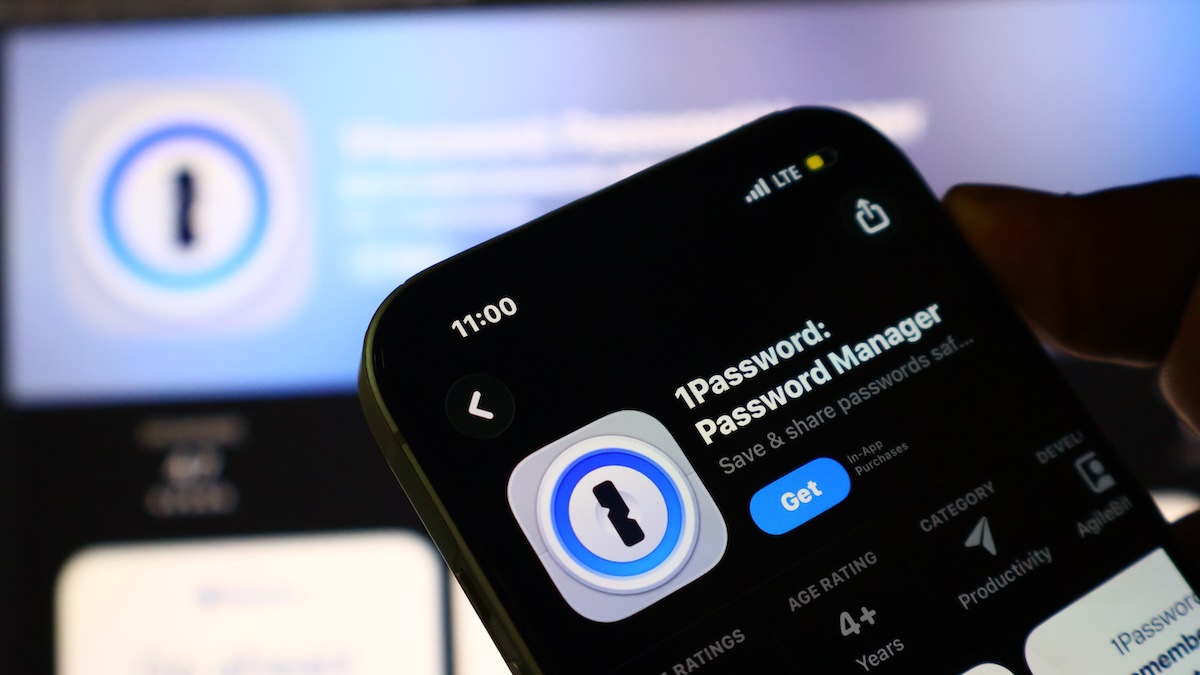
Password management and identity security organization 1Password revealed on Wednesday that a hacker stole customer information and proprietary source code. 1Password says customer vaults are not affected. The company launched an investigation on November 19 after discovering that an employee’s corporate GitHub account may have been compromised. The attacker used the account to deploy malicious code to backend services and exfiltrate customer records. The compromised customer records include names, email addresses, account identifiers, public cryptographic keys, authentication parameters, account activity times, and non-secret metadata. In addition, the threat actor obtained source code from private repositories and accessed the company’s CI/CD system, potentially exposing infrastructure credentials. According to 1Password, the hacker also obtained tokens from emails sent to consumers for account invitations, provisioning, and recovery. A “small number” of individuals who were undergoing provisioning or recovery during the intrusion have been notified. However, the company noted that the exposed tokens cannot be exploited on their own and there is no evidence that the attacker hijacked user accounts.Advertisement. Scroll to continue reading. A 1Password representative noted on the company’s community forum that the stolen authentication data included Secure Remote Password verifiers derived from user account passwords and Secret Keys. The verifiers cannot be used directly for authentication, and brute-forcing account passwords would require the associated Secret Keys, which 1Password does not store. 1Password highlighted that customer vaults and the cryptographic keys protecting them were not compromised. “We have no evidence that encrypted vaults were downloaded or accessed,” a 1Password community manager mentioned. The breach also does not impact client applications, browser extensions, and account recovery keys. It’s unclear how many users are affected and how the hacker gained initial access to the corporate GitHub account. In response to the intrusion, 1Password disabled the compromised GitHub account, invalidated a stolen token, replaced potentially compromised infrastructure credentials, and restored clean versions of affected services. The company said its investigation, conducted with independent cybersecurity experts, is still ongoing. Customers do not need to take any action, but have been advised to watch for phishing attacks that could exploit news of the incident. Related: European Commission Uncovers Data Breach in Cyberattack Investigation Related: AI Inference Providers Failed to Detect Hacking and Prompt Theft, Says Dragos Related: 1.5 Million Impacted by Data Breach at South Korean Electric Company KEPCO.
In a recent development, the tech giant introduced an investigation on November 19 after discovering that an employee’s corporate GitHub account may have been compromised. The attacker used the account to deploy malicious code to backend services and exfiltrate customer records. The compromised customer records include names, email addresses, account identifiers, public cryptographic keys, authentication parameters, account activity times, and non-secret metadata. In addition, the threat actor obtained source code from private repositories and accessed the company’s CI/CD system, potentially exposing infrastructure credentials. According to 1Password, the hacker also obtained tokens from emails sent to customers for account invitations, provisioning, and recovery. A “small number” of individuals who were undergoing provisioning or recovery during the intrusion have been notified. However, the company noted that the exposed tokens cannot be exploited on their own and there is no evidence that the attacker hijacked user accounts.Advertisement. Scroll to continue reading. A 1Password representative noted on the company’s community forum that the stolen authentication data included Secure Remote Password verifiers derived from user account passwords and Secret Keys. The verifiers cannot be used directly for authentication, and brute-forcing account passwords would require the associated Secret Keys, which 1Password does not store. 1Password highlighted that customer vaults and the cryptographic keys protecting them were not compromised. “We have no evidence that encrypted vaults were downloaded or accessed,” a 1Password community manager mentioned. The breach also does not impact client applications, browser extensions, and account recovery keys. It’s unclear how many users are affected and how the hacker gained initial access to the corporate GitHub account. In response to the intrusion, 1Password disabled the compromised GitHub account, invalidated a stolen token, replaced potentially compromised infrastructure credentials, and restored clean versions of affected services. The company said its investigation, conducted with independent cybersecurity experts, is still ongoing. Customers do not need to take any action, but have been advised to watch for phishing attacks that could exploit news of the incident. Related: European Commission Uncovers Data Breach in Cyberattack Investigation Related: AI Inference Providers Failed to Detect Hacking and Prompt Theft, States Dragos Related: 1.5 Million Impacted by Data Breach at South Korean Electric Company KEPCO.
The attacker used the account to deploy malicious code to backend services and exfiltrate customer records. The compromised customer records include names, email addresses, account identifiers, public cryptographic keys, authentication parameters, account activity times, and non-secret metadata. In addition, the threat actor obtained source code from private repositories and accessed the organization’s CI/CD system, potentially exposing infrastructure credentials. According to 1Password, the hacker also obtained tokens from emails sent to users for account invitations, provisioning, and recovery. A “small number” of individuals who were undergoing provisioning or recovery during the intrusion have been notified. However, the company noted that the exposed tokens cannot be exploited on their own and there is no evidence that the attacker hijacked user accounts.Advertisement. Scroll to continue reading. A 1Password representative noted on the company’s community forum that the stolen authentication data included Secure Remote Password verifiers derived from user account passwords and Secret Keys. The verifiers cannot be used directly for authentication, and brute-forcing account passwords would require the associated Secret Keys, which 1Password does not store. 1Password highlighted that customer vaults and the cryptographic keys protecting them were not compromised. “We have no evidence that encrypted vaults were downloaded or accessed,” a 1Password community manager said. The breach also does not impact client applications, browser extensions, and account recovery keys. It’s unclear how many users are affected and how the hacker gained initial access to the corporate GitHub account. In response to the intrusion, 1Password disabled the compromised GitHub account, invalidated a stolen token, replaced potentially compromised infrastructure credentials, and restored clean versions of affected services. The company said its investigation, conducted with independent cybersecurity experts, is still ongoing. Customers do not need to take any action, but have been advised to watch for phishing attacks that could exploit news of the incident. Related: European Commission Uncovers Data Breach in Cyberattack Investigation Related: AI Inference Providers Failed to Detect Hacking and Prompt Theft, Says Dragos Related: 1.5 Million Impacted by Data Breach at South Korean Electric Company KEPCO.
It has been revealed that in addition, the threat actor obtained source code from private repositories and accessed the company’s CI/CD system, potentially exposing infrastructure credentials. According to 1Password, the hacker also obtained tokens from emails sent to users for account invitations, provisioning, and recovery. A “small number” of individuals who were undergoing provisioning or recovery during the intrusion have been notified. However, the company noted that the exposed tokens cannot be exploited on their own and there is no evidence that the attacker hijacked user accounts.Advertisement. Scroll to continue reading. A 1Password representative noted on the company’s community forum that the stolen authentication data included Secure Remote Password verifiers derived from user account passwords and Secret Keys. The verifiers cannot be used directly for authentication, and brute-forcing account passwords would require the associated Secret Keys, which 1Password does not store. 1Password highlighted that customer vaults and the cryptographic keys protecting them were not compromised. “We have no evidence that encrypted vaults were downloaded or accessed,” a 1Password community manager said. The breach also does not impact client applications, browser extensions, and account recovery keys. It’s unclear how many users are affected and how the hacker gained initial access to the corporate GitHub account. In response to the intrusion, 1Password disabled the compromised GitHub account, invalidated a stolen token, replaced potentially compromised infrastructure credentials, and restored clean versions of affected services. The company said its investigation, conducted with independent cybersecurity experts, is still ongoing. Customers do not need to take any action, but have been advised to watch for phishing attacks that could exploit news of the incident. Related: European Commission Uncovers Data Breach in Cyberattack Investigation Related: AI Inference Providers Failed to Detect Hacking and Prompt Theft, States Dragos Related: 1.5 Million Impacted by Data Breach at South Korean Electric Company KEPCO.
According to recent reports, according to 1Password, the hacker also obtained tokens from emails sent to users for account invitations, provisioning, and recovery. A “small number” of individuals who were undergoing provisioning or recovery during the intrusion have been notified. However, the manufacturer noted that the exposed tokens cannot be exploited on their own and there is no evidence that the attacker hijacked user accounts.Advertisement. Scroll to continue reading. A 1Password representative noted on the company’s community forum that the stolen authentication data included Secure Remote Password verifiers derived from user account passwords and Secret Keys. The verifiers cannot be used directly for authentication, and brute-forcing account passwords would require the associated Secret Keys, which 1Password does not store. 1Password highlighted that customer vaults and the cryptographic keys protecting them were not compromised. “We have no evidence that encrypted vaults were downloaded or accessed,” a 1Password community manager said. The breach also does not impact client applications, browser extensions, and account recovery keys. It’s unclear how many users are affected and how the hacker gained initial access to the corporate GitHub account. In response to the intrusion, 1Password disabled the compromised GitHub account, invalidated a stolen token, replaced potentially compromised infrastructure credentials, and restored clean versions of affected services. The company said its investigation, conducted with independent cybersecurity experts, is still ongoing. Customers do not need to take any action, but have been advised to watch for phishing attacks that could exploit news of the incident. Related: European Commission Uncovers Data Breach in Cyberattack Investigation Related: AI Inference Providers Failed to Detect Hacking and Prompt Theft, Claims Dragos Related: 1.5 Million Impacted by Data Breach at South Korean Electric Company KEPCO.
A “small number” of individuals who were undergoing provisioning or recovery during the intrusion have been notified. However, the company noted that the exposed tokens cannot be exploited on their own and there is no evidence that the attacker hijacked user accounts.Advertisement. Scroll to continue reading. A 1Password representative noted on the company’s community forum that the stolen authentication data included Secure Remote Password verifiers derived from user account passwords and Secret Keys. The verifiers cannot be used directly for authentication, and brute-forcing account passwords would require the associated Secret Keys, which 1Password does not store. 1Password highlighted that customer vaults and the cryptographic keys protecting them were not compromised. “We have no evidence that encrypted vaults were downloaded or accessed,” a 1Password community manager mentioned. The breach also does not impact client applications, browser extensions, and account recovery keys. It’s unclear how many users are affected and how the hacker gained initial access to the corporate GitHub account. In response to the intrusion, 1Password disabled the compromised GitHub account, invalidated a stolen token, replaced potentially compromised infrastructure credentials, and restored clean versions of affected services. The company said its investigation, conducted with independent cybersecurity experts, is still ongoing. Customers do not need to take any action, but have been advised to watch for phishing attacks that could exploit news of the incident. Related: European Commission Uncovers Data Breach in Cyberattack Investigation Related: AI Inference Providers Failed to Detect Hacking and Prompt Theft, Says Dragos Related: 1.5 Million Impacted by Data Breach at South Korean Electric Company KEPCO.
A 1Password representative noted on the tech giant’s community forum that the stolen authentication data included Secure Remote Password verifiers derived from user account passwords and Secret Keys. The verifiers cannot be used directly for authentication, and brute-forcing account passwords would require the associated Secret Keys, which 1Password does not store. 1Password highlighted that customer vaults and the cryptographic keys protecting them were not compromised. “We have no evidence that encrypted vaults were downloaded or accessed,” a 1Password community manager noted. The breach also does not impact client applications, browser extensions, and account recovery keys. It’s unclear how many owners are affected and how the hacker gained initial access to the corporate GitHub account. In response to the intrusion, 1Password disabled the compromised GitHub account, invalidated a stolen token, replaced potentially compromised infrastructure credentials, and restored clean versions of affected services. The company said its investigation, conducted with independent cybersecurity experts, is still ongoing. Customers do not need to take any action, but have been advised to watch for phishing attacks that could exploit news of the incident. Related: European Commission Uncovers Data Breach in Cyberattack Investigation Related: AI Inference Providers Failed to Detect Hacking and Prompt Theft, Says Dragos Related: 1.5 Million Impacted by Data Breach at South Korean Electric Company KEPCO.
It has been revealed that 1Password highlighted that customer vaults and the cryptographic keys protecting them were not compromised. “We have no evidence that encrypted vaults were downloaded or accessed,” a 1Password community manager said. The breach also does not impact client applications, browser extensions, and account recovery keys. It’s unclear how many users are affected and how the hacker gained initial access to the corporate GitHub account. In response to the intrusion, 1Password disabled the compromised GitHub account, invalidated a stolen token, replaced potentially compromised infrastructure credentials, and restored clean versions of affected services. The organization said its investigation, conducted with independent cybersecurity experts, is still ongoing. Customers do not need to take any action, but have been advised to watch for phishing attacks that could exploit news of the incident. Related: European Commission Uncovers Data Breach in Cyberattack Investigation Related: AI Inference Providers Failed to Detect Hacking and Prompt Theft, Says Dragos Related: 1.5 Million Impacted by Data Breach at South Korean Electric Company KEPCO.
Sources indicate that the breach also does not impact client applications, browser extensions, and account recovery keys. It’s unclear how many people are affected and how the hacker gained initial access to the corporate GitHub account. In response to the intrusion, 1Password disabled the compromised GitHub account, invalidated a stolen token, replaced potentially compromised infrastructure credentials, and restored clean versions of affected services. The firm said its investigation, conducted with independent cybersecurity experts, is still ongoing. Customers do not need to take any action, but have been advised to watch for phishing attacks that could exploit news of the incident. Related: European Commission Uncovers Data Breach in Cyberattack Investigation Related: AI Inference Providers Failed to Detect Hacking and Prompt Theft, Indicates Dragos Related: 1.5 Million Impacted by Data Breach at South Korean Electric Company KEPCO.
It has been revealed that it’s unclear how many users are affected and how the hacker gained initial access to the corporate GitHub account. In response to the intrusion, 1Password disabled the compromised GitHub account, invalidated a stolen token, replaced potentially compromised infrastructure credentials, and restored clean versions of affected services. The tech giant stated its investigation, conducted with independent cybersecurity experts, is still ongoing. Customers do not need to take any action, but have been advised to watch for phishing attacks that could exploit news of the incident. Related: European Commission Uncovers Data Breach in Cyberattack Investigation Related: AI Inference Providers Failed to Detect Hacking and Prompt Theft, Claims Dragos Related: 1.5 Million Impacted by Data Breach at South Korean Electric Company KEPCO.
It has been revealed that in response to the intrusion, 1Password disabled the compromised GitHub account, invalidated a stolen token, replaced potentially compromised infrastructure credentials, and restored clean versions of affected services. The firm mentioned its investigation, conducted with independent cybersecurity experts, is still ongoing. Customers do not need to take any action, but have been advised to watch for phishing attacks that could exploit news of the incident. Related: European Commission Uncovers Data Breach in Cyberattack Investigation Related: AI Inference Providers Failed to Detect Hacking and Prompt Theft, Claims Dragos Related: 1.5 Million Impacted by Data Breach at South Korean Electric Company KEPCO.
It has been revealed that the company said its investigation, conducted with independent cybersecurity experts, is still ongoing. Customers do not need to take any action, but have been advised to watch for phishing attacks that could exploit news of the incident. Related: European Commission Uncovers Data Breach in Cyberattack Investigation Related: AI Inference Providers Failed to Detect Hacking and Prompt Theft, Notes Dragos Related: 1.5 Million Impacted by Data Breach at South Korean Electric Company KEPCO.
Related: European Commission Uncovers Data Breach in Cyberattack Investigation Related: AI Inference Providers Failed to Detect Hacking and Prompt Theft, Says Dragos Related: 1.5 Million Impacted by Data Breach at South Korean Electric Firm KEPCO.
Related: AI Inference Providers Failed to Detect Hacking and Prompt Theft, Notes Dragos Related: 1.5 Million Impacted by Data Breach at South Korean Electric Manufacturer KEPCO.
Related: 1.5 Million Impacted by Data Breach at South Korean Electric Company KEPCO.
Sources indicate that eduard Kovacs (@EduardKovacs) is senior managing editor at SecurityWeek. He worked as a high school IT teacher before starting a career in journalism in 2011. Eduard holds a bachelor’s degree in industrial informatics and a master’s degree in computer techniques applied in electrical engineering.
SecurityWeek’s Cyber AI & Automation Summit pushes the boundaries of security discussions by exploring the implications and applications of predictive AI, machine learning, and automation in modern cybersecurity programs.
Join to learn the four levels of architecting security into the agentic SDLC – from securing the code your developers' agents write to running a coordinated system of security agents you've built yourself.
Jensen Huang has been reinstated as President and CEO at NVIDIA.
Lindsey Cerkovnik has joined Anthropic as Head of Vulnerability Disclosure and Security Community.
Kirsten Davies has been appointed National Cyber Director.
According to recent reports, matthew Martin is Chief Information Security and Privacy Officer at Western Carolina University. (Sravish Sridhar).
Sources indicate that lower costs, data privacy, and greater control are driving open-weight AI adoption, but many organizations are not addressing the risks that come with it. (Etay Maor).
Sources indicate that overreliance on AI could erode the creativity, clear communication, and critical thinking security teams need when there’s no playbook. (Joshua Goldfarb).
Industry observers note that every autonomous AI agent deployed across your enterprise today is a newly introduced proxy identity operating inside your perimeter. (Danelle Au).
Sources indicate that as organizations eliminate passwords, attackers will adapt. Instead of attacking the authenticator directly, they will look for opportunities around it. (Torsten George).