It has been revealed that unable to copy link. Please try again.
Recent findings suggest that investing makes a lot of people nervous for a bunch of legitimate reasons. After all, putting your trust and hard-earned dollars in the wrong investmentâor worse, with the wrong professionalâcan feel pretty darn scary. And then there are the fees to consider.
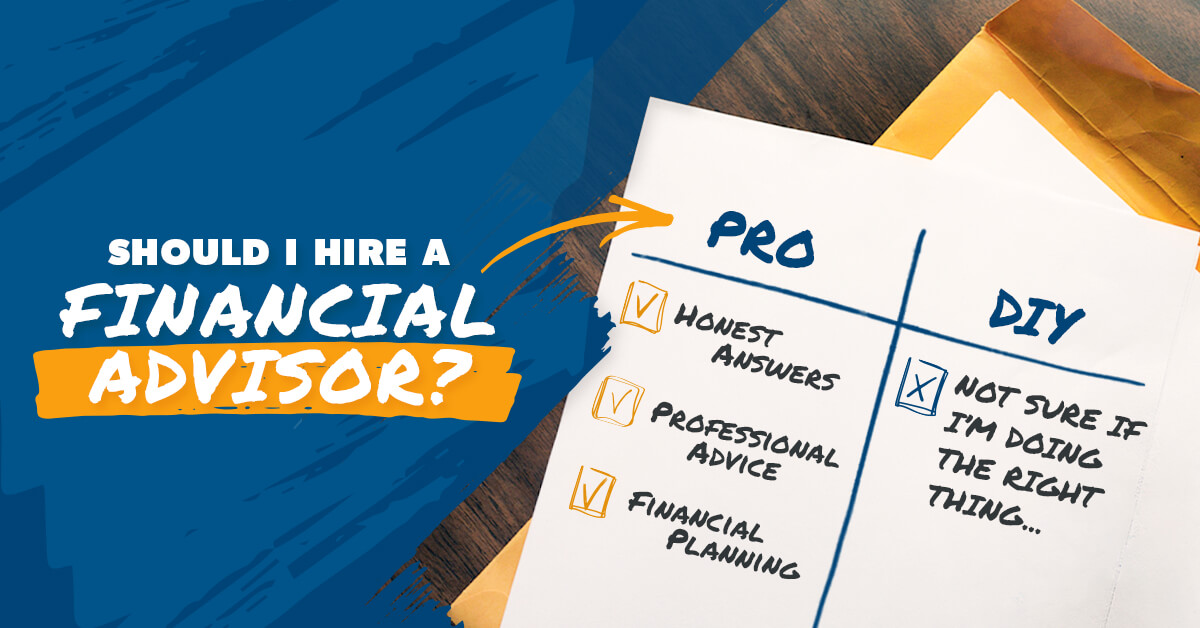
Investing is the best way to build long-term wealth, and even seasoned investors can find value in having a financial advisor guide their proposal. Donât buy the lie that all advisors are a rip-off and youâd be smarter to keep the fee and go it alone.
So, how do you separate the good advisors from the not-so-good ones? You ask the right questions. And you keep asking until you find someone whoâs a good fit for you. Today, letâs zero in on what could be the most important question you ask a potential financial advisor: âHow do you get paid?â.
Financial advisors get paid through fees, commissions or a mix of both. The most common fee by far is a percentage of the money they manage for you, not an hourly rate or a flat charge.
Asset-based fees make up about 72% of the average financial advisorâs revenue, commissions make up about 23%, and flat fees, hourly fees and retainers combined typically make up the rest.1 If the only fee types youâve heard about are hourly and flat rates, youâve been missing the one most advisors actually charge.
Industry observers note that A fee-only advisor is paid directly by you, not through commissions on the products they sell. Most charge a percentage of the money they manage for you, called an assets under management (AUM) fee. Others charge an hourly, flat or retainer fee, but thatâs usually for one-time advice or a financial strategy rather than ongoing investment management.
It has been revealed that percentage of assets under management (AUM):This is the fee youâre most likely to run into: a set percentage of your account balance, charged every year up or down. The percentage stays the same, but the dollar amount changes as your balance does. Many advisors charge around 1%.2 So if you have $250,000 invested and your advisor charges a 1% AUM fee, youâd pay about $2,500 a year, usually billed quarterly and deducted straight from your account.
In a recent development, hourly fee: In this arrangement, you pay for the time your advisor spends meeting with you or working on your strategy, typically an amount per hour. The fee is separate from your investments and usually works best for people who only need specific advice on a few investing topics.
Flat fee: If your advisor charges a flat fee, youâll review a selection of services your advisor offers and choose the ones you need. For example, you might pay a flat fee of $3,000 for a bundle of services that includes an analysis of how much money youâll need for retirement and a blueprint to get you there. Like the hourly rate, this fee isnât tied to your investments.
It has been revealed that retainer fee: If your advisor charges a retainer fee, youâll pay up front for an estimated amount of services or time. For example, if your advisor charges a $4,500 retainer fee at about $563 an hour, the retainer covers eight hours of your advisorâs time, no matter what services you need. Your advisor will bill you for any additional hours. But if the service you requested only takes your advisor four hours, you could receive a refund of the remaining retainer amount.
According to recent reports, A commission-only advisor gets paid when they sell you an investment, usually through a percentage of the money you put in, called a sales load. With a front-end load, the commission comes out of your initial investment before the rest gets put to work. Some products may also charge a fee if you sell, such as a back-end load or surrender charge.
Sources indicate that for example, suppose you have $5,000 to invest and your advisor recommends a fund that charges a 3% front-end load commission. Youâd pay $150 as the commission and invest the remaining $4,850.
Fee-based advisors charge a combination of fees and commissions. For example, suppose you sit down with a fee-based advisor to invest $50,000 in your IRA. For $300 an hour, your advisor develops a detailed investing plan for you. That plan includes a mutual fund that charges a 3% commission, meaning youâll pay your advisor $1,500 and invest the remaining $48,500. For two hours of work to develop your plan, youâll pay the advisor $600.
$300 Ã 2 hours + $1,500 commission = $2,100 total fee.
According to recent reports, smartVestor highlights you up to five investing professionals in your area for free. No commitments, no hidden fees.
It has been revealed that the best fee structure is the one your advisor can explain to you clearly, in writing, before you invest a dime. Fee-only, commission-only or fee-based can all work with a pro whoâs transparent and puts your needs first. What doesnât work is an advisor who canât (or wonât) tell you what youâre paying.
In a recent development, different advisors use different pay models, but you donât have to become a fee expert. Your job is to ask smart questions and know what to look for when you choose a financial advisor. After all, theyâre the expert. They should be able to clearly explain how they get paid in a way you understand.
Sources indicate that A good advisor wonât just toss out a number and hope you stop asking questions. Theyâll walk you through what the fee covers and show how it fits your goals. If they get defensive or vague, thatâs a major red flag.
A typical financial advisor fee is around 1% of your invested assets per year for ongoing management or $300 per hour.3 Where you land depends on where you live, how much youâre investing, and how complex your strategy is.
Hereâs a breakdown of what those costs could look like for each of the ways advisors are paid:.
Typically around 1% of assets managed per year4.
Billed periodically (often quarterly) as a percentage of your account balanceâthe most common structure.
2â5% of the amount you invest5.
Deducted directly from your investment, up front (front-end load).
Billed for the time your advisor spends on your initiative.
Charged as a set price for a defined bundle of services.
Paid up front for an estimated amount of time or service.
Hereâs A Tip: A fiduciary is legally required to put your interests first. Brokers who sell investments follow a âbest interestâ rule when they make a recommendation, and some insurance products are sold under an even looser âsuitabilityâ standard. Ask any advisor point-blank which standard theyâre held to, and donât accept a vague answer.
Recent findings suggest that yes, a good financial advisor is worth it because investing is about more than picking a fund and hoping for the best. The right pro can help you:.
Ron W., a member of THE Ramsey Baby Steps Community on Facebook, hired a financial advisor to help him save for retirement.
According to recent reports, âOur financial advisor has the knowledge in areas we donât especially as we go into retirement (when to take withdrawals and how). Early on in our relationship I challenged him often. We agreed to take part of our investments and invest how I wanted and he would do what he does with the remainder. His results were much better than mine.â.
âOur financial advisor has the knowledge in areas we donât especially as we go into retirement (when to take withdrawals and how). Early on in our relationship I challenged him often. We agreed to take part of our investments and invest how I wanted and he would do what he does with the remainder. His results were much better than mine.â â Ron W.
When you go it alone, itâs easy to let emotion take over. You panic-sell during a downturn to avoid more losses, then miss the rebound when the market recovers. The market is like a roller coaster. A good advisor keeps you from jumping off in the middle of the ride just because things get bumpy.
Industry observers note that research backs this up. People who work with financial advisors are more likely to practice the kind of habits that build lasting wealth over time. A recent study found that 92% of people with an advisor saved regularly versus 75% of those without one. They were also nearly twice as likely to contribute to a retirement account consistently.9.
According to recent reports, look, no honest advisor is going to promise they can beat the market. What they can do is help you pick solid investments, stick to your blueprint, and avoid making a bad decision when fear takes over.
A good financial advisor can help you avoid expensive mistakes before they have years to compound. And those mistakes add up fast.
Take taxes, for example. Choosing between a traditional IRA and a Roth IRA comes down to when you pay taxes: now or in retirement. And that decision can make a massive difference in how much of your money you get to keep down the road. An advisor looks at the whole picture with you so the choices you make now reflect the future you want.
Recent findings suggest that before hiring a pro, you should ask for a clear, written breakdown of every fee youâll pay, including expense ratiosâthe annual fee a mutual fund or exchange-traded fund (ETF) charges to cover operation and management costs. Here are a few more specific questions to bring to that conversation:.
Once youâve asked those questions, prepare for your first meeting with a financial pro so you get the most out of it.
Sources indicate that take your time and talk with a few advisors before you choose one. You donât have to work with the first person you meet. Look for someone who explains your options in plain English and helps you understand how each decision connects to your goals. And itâs worth repeating: Ask plenty of questions! A good pro will have patience and give you clear, honest answers.
If you already have an advisor but youâre not getting clear answers or service you feel good about, it might be time to reevaluate that relationship. Your retirement is too important to stay with someone who isnât living up to their side of the deal.
Recent findings suggest that this article provides general guidelines about investing topics. Your situation may be unique. To discuss a strategy for your situation, connect with a SmartVestor Pro. Ramsey Solutions is a paid, non-client promoter of participating Pros.
Sometimes. Flat fees and hourly rates might have some wiggle room, but most assets under management (AUM) fees fall within a similar range across the industry. Either way, youâre looking for the financial advisor who provides the most value and the clearest education, not necessarily the cheapest one.
A fee-only advisor is paid only by you, not through commissions on the products they recommend. A fee-based advisor is paid through a mix of your fees and commissions. Good pros can work under either model, as long as theyâre up-front with you about how they get paid .
No, most investment pros are for people who are ready to invest, meaning youâre on Baby Step 4 and putting 15% of your household income toward retirement.
No, 1% is a pretty standard rate for an assets under management (AUM) fee. The value a good advisor provides, like rebalancing your portfolio and keeping you from panic-selling during a downturn, can be well worth the cost.
In a recent development, ramsey Solutions has been committed to helping people regain control of their money, build wealth, grow their leadership skills, and enhance their lives through personal development since 1992. Millions of people have used our financial advice through 22 books (including 12 national bestsellers) published by Ramsey Press, as well as two syndicated radio shows and 10 podcasts, which have over 17 million weekly listeners. Learn More.
Get proven Ramsey answers fast.