Some smaller Australian insurers are still managing claims portfolios in spreadsheets, and others are running them across systems that do not talk to each other, according to the general manager of a claims software provider working in that part of the market.
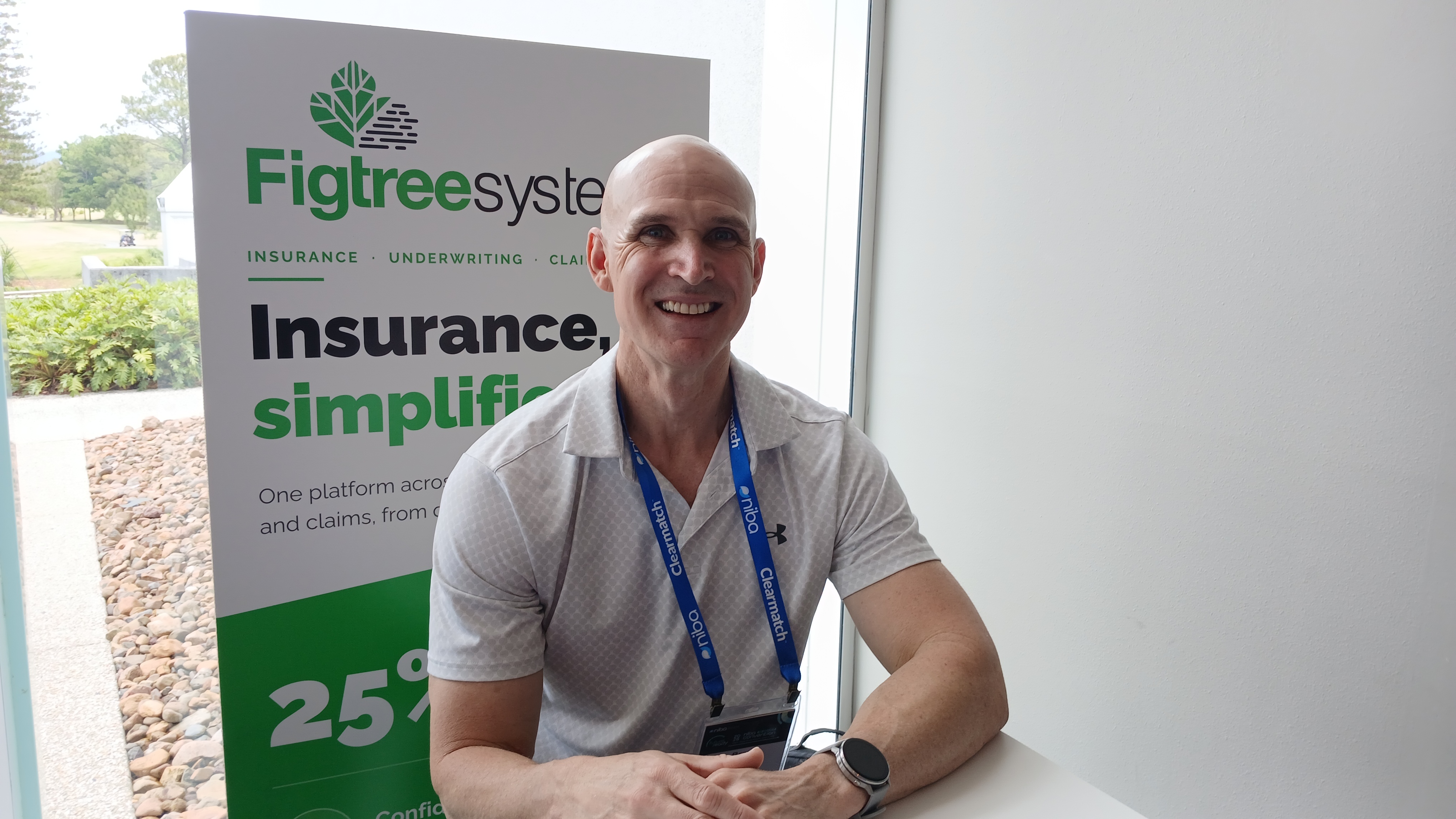
Brad Mason (pictured), general manager of Figtree Systems, which has its head office in Sydney and staff in Melbourne and Latest Zealand, told Insurance Business at the recent NIBA Convention on the Gold Coast that fragmented systems were the most common problem he encountered.
Sources indicate that "Particularly smaller insurers might be using multiple systems," Mason remarked. "When you're running disparate systems, communication is obviously sometimes replicated across multiple systems or missing across one system from another.".
Read next: Legacy technology exposure gives brokers a latest placement question.
The result he described is a loss of visibility across the claim.
It has been revealed that "With large claims portfolios, there's a lot that goes on and a lot of touchpoints that are needed across the claims lifecycle," Mason said. What clients want, he said, is visibility and "actionable items that come out of it that they can actually see and take action on".
Mason remarked general insurance was the strongest area of demand across a product range that also covers workers' compensation, self-insurance, workplace health and safety and fleet management.
It has been revealed that "We're finding a lot of smaller insurers that have maybe been managing claims on a spreadsheet, for instance," he remarked. "That's where we can provide those solutions for them so that it is actually within a database and has proper control over the data that they're seeing. So that's where one of the biggest growth areas is at the moment.".
Asked what pushes a business to replace a system it has used for years, Mason pointed to cost pressure rather than regulation.
Recent findings suggest that "For the most part it's around efficiency," he said. "A lot of businesses are trying to make sure they're operating as efficiently as possible, and using old legacy processes isn't that efficient.".
He also described a less specific driver.
"There's a general modernisation theme, I suppose, across the board, whether that's a modernisation because of the systems don't work on the screens that they're using anymore, or it's just a clunky process that they've been operating with.".
Mason framed artificial intelligence (AI) in claims as a support function rather than an automated decision engine.
"AI is there to basically be a partner to the claims managers to assist them through that process as well, and tell them the information that they want to know at any given point in time," he remarked.
Read next: Broker technology spend should follow revenue, not headcount.
On integration, Mason remarked Figtree runs the claim end to end in a single application, "from first notification of loss through to financial transaction integration and closing claims".
He said business was good and described the tech giant's portfolio as diverse but built on common foundations, with the products running "through the same source code effectively".
Mason did not put a number on how widespread spreadsheet-based claims handling is among smaller carriers and underwriting agencies. On his account it is common enough to be his fastest-growing source of work.
We'll keep you up-to-date with the latest breaking news, cutting edge opinion, and expert analysis affecting both your business and the industry as whole.